How to Verify a Chinese Laser Equipment Supplier Before You Pay a Deposit
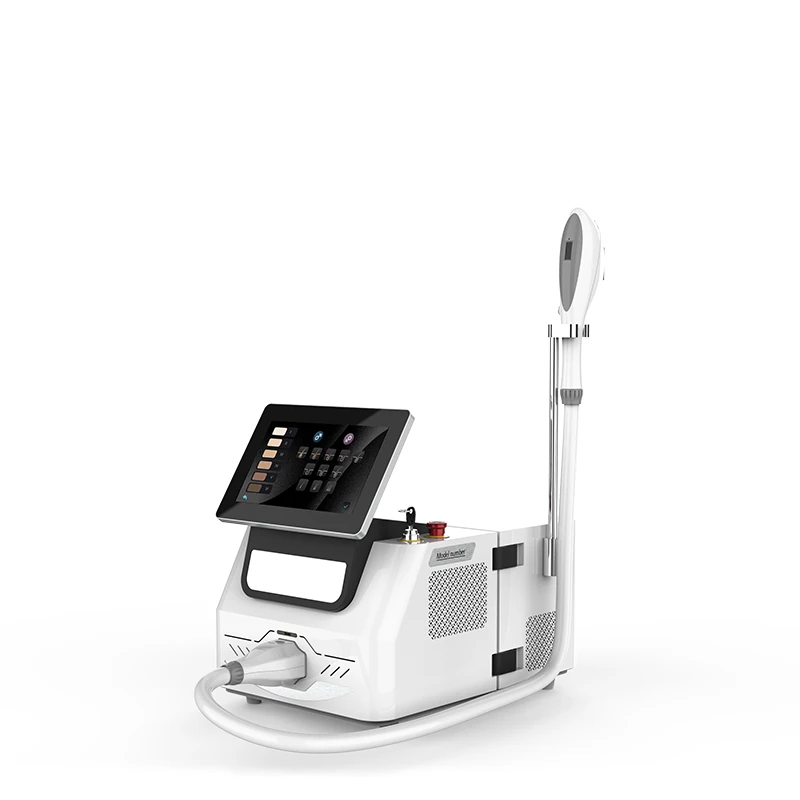
A 7-step verification checklist from inside the industry: certificate cross-checks, the QC-video rule, payment red flags, and what honest actually looks like.
You found a machine at a good price from a supplier in China. The photos look professional. The price is 60% below the European brand equivalent. Now the only question that matters: will the machine, and the company, be real?
We sell Chinese-made laser equipment, so read this as advice from inside the industry — including the checks that would filter us out if we were fake.
The 7-step verification checklist
1. Video call, camera on the machine
Ask for a live video call where they power on the exact model you want and fire it on a test target. A trading company with no stock will stall; a factory or a reseller with real factory access will schedule it within days.
2. Certificates before money
Ask for CE and ISO 13485 scans before any payment, then verify:
- The CE certificate names a Notified Body number (4 digits, e.g. NB 1234)? Look the NB up in the EU NANDO database.
- Beware the phrase "FDA approved" for hair-removal machines sold from China — most of these devices are not FDA-cleared, and honest sellers say so. A seller who over-claims on FDA will over-claim on everything.
3. Company registration cross-check
Ask for their business license (营业执照). Check the company name matches the bank account you're paying. Money going to a personal account or a different company name than the license is the single most common scam pattern.
4. Serial-numbered QC video before the balance
Structure payment so you owe the balance only after they send a test video of your exact unit with the serial number visible. Any refusal here is disqualifying. (This is our standard process — see how ordering works.)
5. Ask a hard technical question
Example: "Who manufactures your laser bars?" or "What's the spot size and fluence range on the 12mm handpiece?" A real equipment seller answers precisely. A box-mover copies text from a brochure.
6. Check the shipping story
Real exporters name their forwarder, quote DAP/CIF terms, and produce a packing list with dimensions instantly. Vague answers about "our shipping partner" are a warning sign.
7. Start small
First order: one unit, not five. A supplier who pressures you into a "container discount" on your first deal is optimizing for their exit, not your business.
Red flags ranked by severity
| Red flag | Severity |
|---|---|
| Payment to personal account ≠ company name | 🚫 Walk away |
| Refuses QC video before balance | 🚫 Walk away |
| "FDA approved" with no 510(k) number | ⚠️ Assume all claims inflated |
| Price far below every other quote | ⚠️ Usually refurbished or spec'd down |
| Website only, no license / no video call | ⚠️ Verify before deposit |
| Pushy container-order discounts | ⚠️ Slow down |
What honest looks like
An honest supplier tells you: which certifications the machine actually holds (and which it doesn't), real delivery times including customs risk, what the warranty covers and what it doesn't, and gives you a proforma invoice where the company name, bank beneficiary and stamp all match.
Run all seven checks on us. Start with a video call and certificate scans — contact us.